Nigeria Confirms Ebola Case in Abuja as Health Authorities Trace 44 Contacts
Nigeria has confirmed an imported case of Ebola Bundibugyo virus disease in the Federal Capital Territory (FCT), Abuja, prompting health authorities to intensify surveillance, contact tracing and infection-prevention measures to prevent further transmission.
The Federal Ministry of Health and Social Welfare announced the case on October 20, 2026, following laboratory confirmation of the infection in a woman who had recently travelled to Nigeria from Uganda. According to the World Health Organization (WHO), the woman developed symptoms on October 7 and sought medical attention at a private health facility in Abuja on October 11. Laboratory tests confirmed the infection on October 20.
The patient has been isolated and is receiving medical care. Health authorities have identified 44 people who may have been exposed to the infection and are monitoring them as part of efforts to establish whether further transmission has occurred. The contacts include people who may have interacted with the patient during her journey or medical care.
The development has raised public health concerns because Ebola is a severe infectious disease that can cause outbreaks if cases are not detected promptly and appropriate control measures are not implemented.
What is Ebola Bundibugyo virus disease?
Ebola Bundibugyo virus disease is a severe illness caused by the Bundibugyo virus, one of the viruses known to cause Ebola outbreaks. It is different from the Ebola virus responsible for some previous outbreaks, and the distinction is important when considering available vaccines and treatments.
The WHO’s Ebola fact sheet, updated on April 24, 2025, states that the average case fatality rate across Ebola disease outbreaks is approximately 50 per cent, although rates have ranged from 25 to 90 per cent in past outbreaks. These figures cover different Ebola outbreaks and should not be interpreted as the fatality rate for Nigeria’s current case or specifically for the Bundibugyo strain.
The WHO also notes that there is no approved vaccine or specific approved treatment for Bundibugyo virus disease, although candidate products are being developed. Early supportive medical care, including rehydration and treatment of symptoms and complications, can improve a patient’s chances of survival.
How Ebola spreads
Ebola is transmitted through direct contact with the blood or other body fluids of an infected person who is showing symptoms, or someone who has died from the disease. Infection can also occur through contact with objects contaminated by these fluids, including bedding, clothing and medical equipment.
The virus can also pass from infected wild animals to humans through contact with their blood, organs or other body fluids. Fruit bats are considered natural hosts of the viruses that cause Ebola disease, while infected monkeys and other wild animals may also pose a risk.
According to the WHO, people infected with Ebola do not transmit the disease before developing symptoms. The incubation period, which is the time between infection and the onset of symptoms, ranges from two to 21 days.
Ebola is not transmitted simply by sharing the same public space with an infected person. Understanding how the virus spreads is essential to avoiding unnecessary fear and ensuring that preventive measures focus on actual routes of transmission.
Symptoms Nigerians should watch for
Early symptoms may include fever, fatigue, weakness, headache, muscle pain and sore throat. These may be followed by vomiting, diarrhoea, abdominal pain and, in some cases, bleeding.
However, the WHO warns that the early symptoms of Ebola can resemble those of malaria, typhoid and other infectious diseases. A person cannot be confirmed to have Ebola based on symptoms alone; laboratory testing is required.
Anyone who develops compatible symptoms after possible exposure should seek urgent medical advice, disclose their exposure history and follow instructions from health professionals. Calling a health facility before arriving, where possible, can help healthcare workers prepare to assess the person safely.
Government strengthens surveillance and contact tracing
Following the confirmation, the Federal Ministry of Health and Social Welfare said it was working with the Nigeria Centre for Disease Control and Prevention (NCDC), the FCT Health Services Secretariat and other relevant agencies to contain the infection.
The government has called on public and private healthcare facilities to strengthen surveillance, promptly identify and isolate suspected cases, follow infection-prevention procedures and report suspected infections to public health authorities.
The WHO reported that Nigeria became the fifth country to detect the virus since an outbreak was declared in the Democratic Republic of the Congo on May 15, 2026. The agency also reported nine cases in Kenya linked to an imported case in recent weeks, illustrating the importance of cross-border surveillance and rapid public health responses.
Contact tracing is a key part of outbreak control. It enables health teams to identify people who may have been exposed, monitor their health and arrange prompt assessment if symptoms develop. The WHO recommends monitoring contacts for 21 days after their last possible exposure.
Precautions the public should take
Public health experts recommend the following measures to reduce the risk of infection:
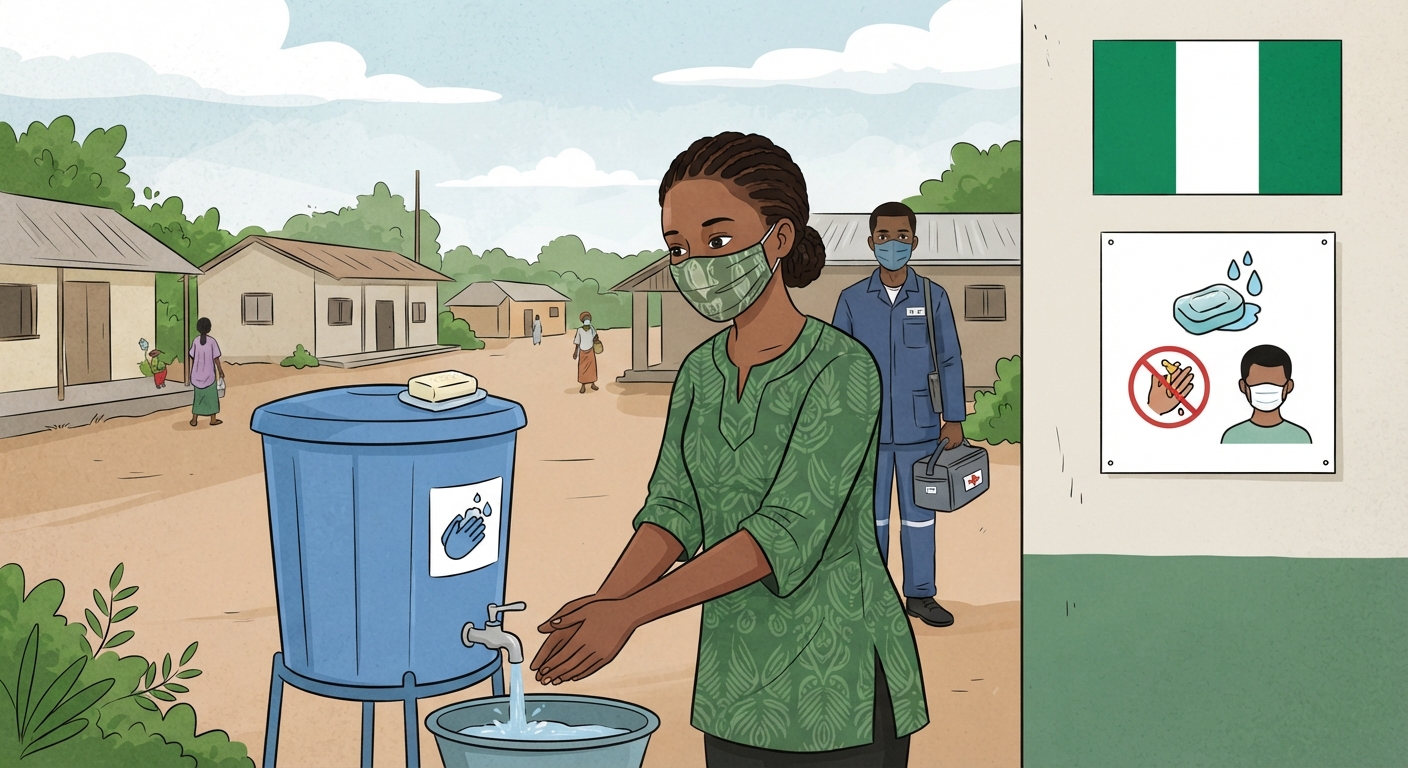
- Wash hands regularly with soap and clean running water.
- Avoid direct contact with the blood and body fluids of anyone suspected or confirmed to have Ebola.
- Do not touch the bodies of people who may have died from Ebola; safe burial procedures should be handled by trained personnel.
- Avoid touching sick or dead wild animals and do not handle or consume their raw meat.
- Healthcare workers should use appropriate personal protective equipment and follow strict infection-prevention procedures.
- Seek medical attention promptly after possible exposure and follow official guidance.
People should also avoid spreading rumours, sharing unverified claims or discriminating against people because of their nationality, travel history or suspected illness. Public cooperation and accurate information are essential during an outbreak.
The need for vigilance without panic
Nigeria’s confirmed case calls for vigilance, but one confirmed case does not, by itself, establish widespread community transmission. As of the WHO’s October 20 announcement, the patient was receiving care in isolation, 44 contacts had been identified, and investigations into the likely source of infection were continuing.
The effectiveness of the response will depend on rapid identification of possible cases, careful monitoring of contacts, appropriate care for patients, strong infection control in health facilities and public access to reliable information.
Nigerians should remain alert, practise good hygiene and follow updates from the Federal Ministry of Health and Social Welfare, the NCDC and the WHO. Early reporting, responsible public behaviour and a coordinated health response will be crucial to preventing further transmission.