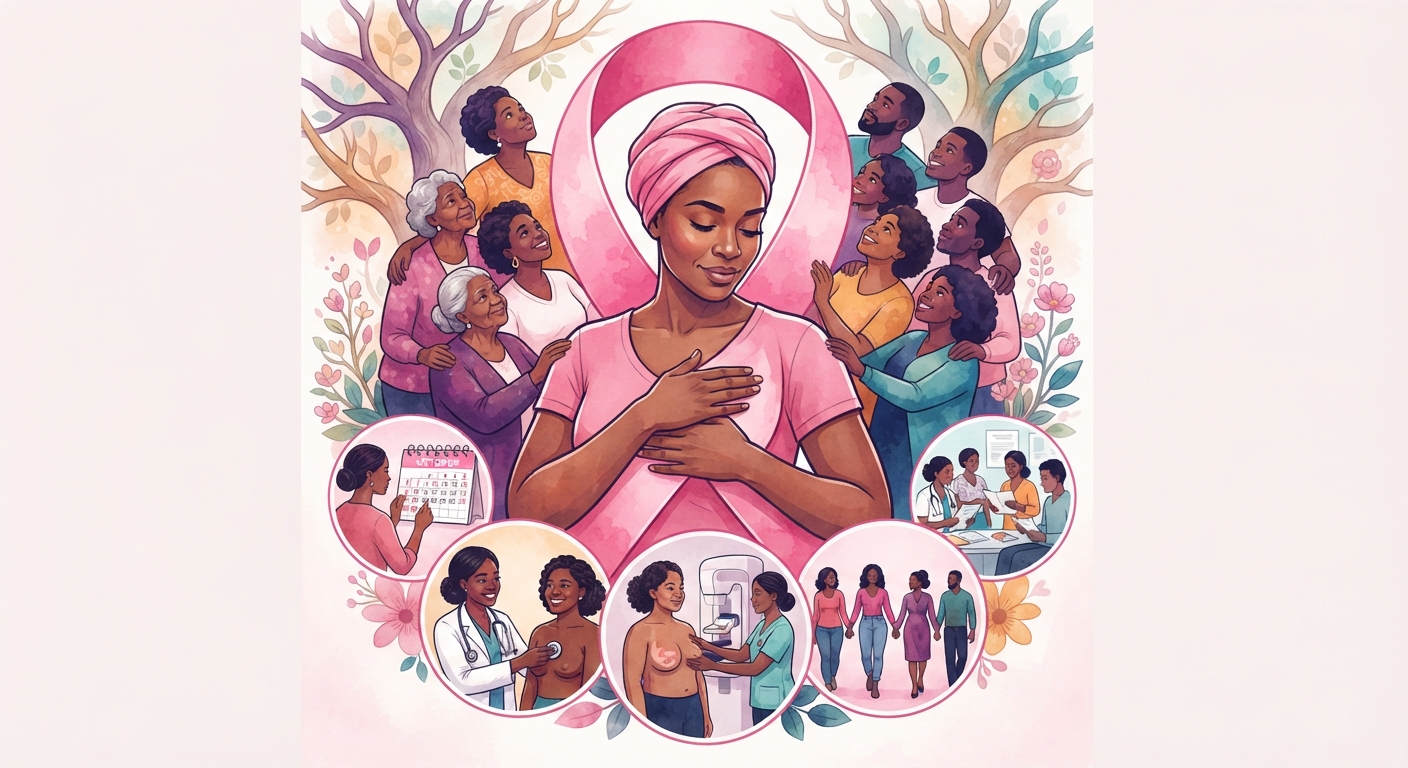
Breast Cancer Awareness Month: Early Detection Can Save Lives
October is Breast Cancer Awareness Month, a time to raise awareness about breast cancer, encourage early detection and remind people that a diagnosis of breast cancer does not mean the end of life. It is also an opportunity to support people living with the disease and encourage everyone to take their breast health seriously.
Breast cancer occurs when abnormal cells in the breast grow uncontrollably and form a tumour. If the disease is not detected and treated early, it can spread to other parts of the body and become life-threatening. Although it is more common in women, men can also develop breast cancer.
A Growing Health Concern
Breast cancer remains a major public health concern worldwide. According to the World Health Organization (WHO) and the International Agency for Research on Cancer, an estimated 2.3 million people were diagnosed with breast cancer globally in 2022, while about 670,000 people died from the disease.
The situation in Nigeria is also concerning. Data from the International Agency for Research on Cancer’s GLOBOCAN 2022 estimates show that Nigeria recorded approximately 32,278 new cases of breast cancer and 16,332 deaths from the disease in 2022. Breast cancer was the most commonly diagnosed cancer among Nigerian women.
These figures highlight the need for greater public awareness, accessible screening and diagnostic services, and timely treatment. They also remind us that breast cancer is not a distant problem but a health challenge affecting families and communities across Nigeria.
Know the Warning Signs
One important step in fighting breast cancer is knowing what changes to look out for. A lump in the breast or under the armpit is a common warning sign, but not every breast lump is cancerous.
Other possible signs include changes in the size or shape of the breast, changes in the skin that make it look dimpled or resemble an orange peel, a nipple that turns inward, unusual discharge from the nipple, and persistent changes in the appearance of the breast.
These symptoms do not always mean that a person has cancer. However, any new or unusual breast change should be checked by a qualified health professional without delay. Do not wait for pain to develop before seeking medical attention, because breast cancer can be painless in its early stages.
Early Detection Makes a Difference
Early detection gives people a better chance of receiving effective treatment before the disease spreads. However, many people delay seeking medical attention because they are afraid of the diagnosis, lack adequate information, face financial difficulties or cannot easily access healthcare services.
Women and men should become familiar with the normal appearance and feel of their breasts so they can recognise unusual changes. Breast self-awareness is helpful, but checking your breasts at home cannot confirm or rule out cancer.
Clinical breast examinations and mammograms may be recommended depending on a person’s age, risk factors, symptoms and available medical guidelines. Anyone who notices a suspicious change should seek medical assessment rather than waiting for a routine screening appointment.
It is also important to understand that breast cancer can occur in younger women. Although the risk generally increases with age, young people should not ignore unusual breast changes simply because they believe they are too young to develop the disease.
What Increases the Risk?
Several factors can increase a person’s risk of developing breast cancer. These include increasing age, a family history of breast cancer, certain inherited genetic changes, previous breast cancer and some hormonal or reproductive factors.
Other factors, including alcohol consumption, physical inactivity and excess body weight after menopause, can also influence risk.
However, having a risk factor does not mean that a person will definitely develop breast cancer. Equally, someone without a known risk factor can still develop the disease. This is why awareness and attention to unusual breast changes are important for everyone.
Although not all cases can be prevented, maintaining a healthy weight, engaging in regular physical activity, limiting alcohol consumption and following appropriate medical advice can help reduce certain risks.
Breaking the Silence and Stigma
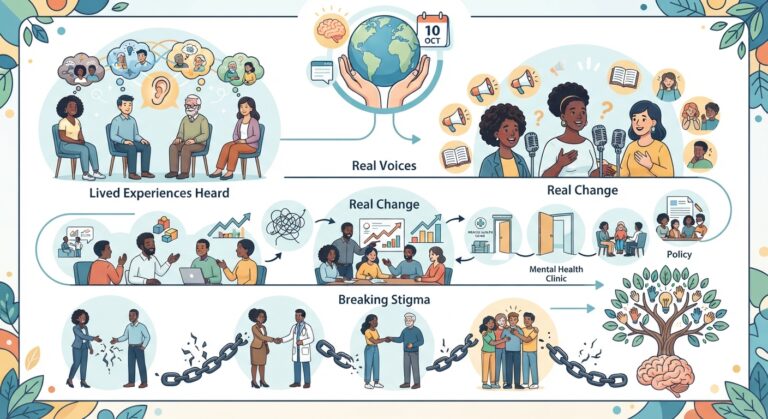
Despite increased awareness, fear, misinformation and stigma continue to prevent some people from seeking help. Some women may hide their symptoms because they fear being judged, abandoned or treated differently by family members and society. Others may turn to unproven remedies instead of seeking proper medical care.
Breast cancer should never be a reason to discriminate against anyone. People living with the disease need understanding, emotional support and access to quality healthcare, not blame or isolation.
Families, community leaders, healthcare workers and the media all have a role to play in sharing accurate information, challenging harmful beliefs and encouraging people to seek medical attention when necessary.
The government and relevant health agencies must also strengthen cancer awareness programmes and improve access to affordable diagnosis, treatment and support services, especially for people in underserved communities.
Supporting People Living With Breast Cancer
A breast cancer diagnosis can be emotionally, physically and financially challenging. Patients may need surgery, medicines, chemotherapy, radiotherapy or other treatments depending on the type and stage of the disease.
Support from family members, friends, healthcare professionals and the wider community can make a meaningful difference. Listening without judgment, accompanying someone to medical appointments, helping with daily responsibilities and offering emotional encouragement are practical ways to show care.
People diagnosed with breast cancer should work closely with qualified healthcare professionals to understand their treatment options. They should not abandon prescribed treatment in favour of unproven products or advice from unqualified sources.
A Call to Action This October
Breast Cancer Awareness Month is more than wearing pink or sharing awareness messages on social media. It is about turning awareness into action.
Take your breast health seriously. Learn the warning signs, seek medical advice when you notice unusual changes, encourage loved ones to do the same and share reliable health information within your community.
Healthcare providers should continue educating the public, while governments and health organisations should work towards making early diagnosis and effective treatment more accessible and affordable.
Breast cancer can affect anyone, but no one should have to face it without information, care and support. This October, let us break the silence, challenge stigma and encourage early medical attention.
Early detection, timely treatment and community support can save lives.